Table of Content
The guidelines are provided as a convenient tool and are not meant to take the place of a physician's professional judgment. It is important for patients and families to know that anyone can make a referral to hospice. Studies show that patients who receive care early benefit substantially more than those who enter hospice during the final days or hours of life. Both the patient and the patient’s family must provide informed consent to end curative care and to initiate hospice services. Once you’ve been referred, a hospice team will meet with you and your family.
The second criteria for hospice eligibility is an assessment by a hospice medical director or a nurse with specialized hospice training. There are 1.55 million Medicare beneficiaries in the United States who are receiving hospice care currently. These patients are helped by 4,300 hospice care agencies, spread out across the country. Each patient first has to go through the process listed above in order to receive hospice care. For inpatient respite care.You may have to pay for room and board if you live in a facility and choose to get hospice care.
Eligibility
They’ll also speak with you about hospice insurance and Medicare benefits. So you, or your loved ones, can get the type of care you need, where you want to receive it. Medicare doesn’t cover room and board when you get hospice care in your home or another facility where you live . When the patient continues to be weak, is hospitalized more often, and can no longer move alone, hospice care comes into the picture. It’s also an option when there is no one else to care for their patients anymore due to work or personal reasons such as stress and fatigue.

If the patient reaches the end stage of Parkinson’s Disease, they will need help from family or nurses at all times. They will require proper care, physically, mentally, and spiritually. How to know if the patient is in the end stage of Parkinson’s Disease? The symptoms that show the medications and therapy don’t work anymore are the loss of balance and coordination in the body, poor speech, loss of smell, and inability to stand or walk alone. At this period, the patient may need to use a wheelchair, become bedridden, and experience depression.
Palliative Care Guidelines
Hospice care focuses on patients’ needs when they are close to their end of life. A prime example is individuals with end-stage Parkinson’s Disease. We take time with every patient and their family to address their needs, questions and expectations. Our dedicated and professional staff will travel to your home and provide you and your family with soulful and compassionate care.
The patient and his or her family must fill out and sign a hospice-election form, as provided by the U.S. Growing incapacity to manage activities of daily living, such as walking, eating, dressing, bathing, and using the toilet. For some patients, home may be a skilled nursing facility, while others may stay in a “hospice house” or similar environment. One of the benefits of hospice is that it enables you to be cared for in your own home, surrounded by those you love. Contact your hospice team before you get any of these services or you might have to pay the entire cost.
Free Download: Hospice Eligibility Checklist
Co-morbidities, or the presence of two or more medical conditions in one patient, increase the likelihood of hospice eligibility. Dementia is a disease that can progress rapidly or slowly, making it difficult to determine a patient’s eligibility for hospice care. Other than the six-month life expectancy and weak state, to meet the hospice criteria for dementia patients, they have to be experiencing drastic weight loss due to difficulty in eating and drinking. Referrals to hospice may come from any source, but a physician must certify the individual as having a terminal illness with a life expectancy of fewer than twelve months. Patients have the ability to rescind this election and subsequently reapply for hospice benefits at a later date.

In most cases, people who look for hospice care are those with incurable diseases who decided to stop the medication and other treatments. We have provided The Soulistic Way of hospice care to thousands of families who trusted our expertise with end of life care. Coverage includes nurses, other caregivers, medicines, supplies, equipment and support, with no out-of-pocket expenses for the hospice diagnosis. The Medicare.com hospice website includes information about covered services, plans and criteria. If a patient is receiving treatment for an illness, yet their condition is not improving, then the patient is likely entering the end-stage of the disease. The more the disease progresses, the more likely it is that the disease will become terminal.
After working in the healthcare field for over ten years, Frank Davis has developed considerable expertise and offers you valuable insights into the industry through blogs. He has published blogs for Hospice Valley, Senior Home Care, and 24 Hour Care, and in his leisure time, Frank enjoys reading and writing. When the hospice patient passes away, members of the team are still available to help the family. You accept comfort care instead of care to cure your illness. If the patient health improves and shows signs and recovery, they will be discharged and restart medical treatment.
Soulistic Hospice care is more focused on improving your quality of life, providing comfort-oriented care, and preserving dignity. Hospice also provides medical equipment as well as incontinent supplies and medications to keep your loved one or patient comfortable. Hospice services are 100% covered by Medicare and most private insurances. Soulistic Hospice is a nonprofit organization and strives to provide quality hospice care regardless of ability to pay. If the patient is a Medicare beneficiary, they are entitled to receive as many 60-day benefit periods after the initial six months are up as they need.
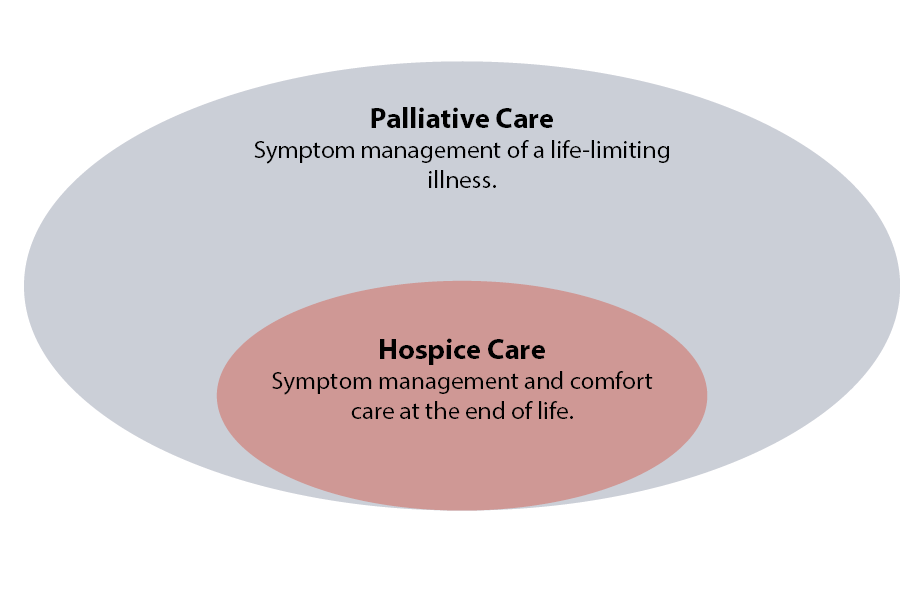
Hospice care changes the focus to comfort care for pain relief and symptom management instead of care to cure the patient’s illness. While no specific number of symptoms is required to qualify for hospice, these guidelines can help determine if a patient’s condition is appropriate for hospice care. In order to begin hospice care, patients must meet hospice eligibility requirements established by the U.S. The hospice team will work with the family to create a schedule of nursing visits and to provide help with activities of daily living, such as bathing or personal care. Alternatively, if hospice care isn’t working out for your family for whatever reason, you can stop it and do something else that may work better for your particular situation.

Care usually takes place at your home, but your insurance may cover other options so make sure to ask. To learn more about the basic services available to you through hospice, click here. Alzheimer's and Dementia When patients with dementia or Alzheimer’s can no longer move around, get dressed, bathe, or speak, they may be eligible for hospice care. The illness is terminal (a prognosis of ≤ 6 months) and the patient and/or family has elected palliative care. Medicare allows and reimburses for a one-time visit by a physician who is either the medical director of or employee of a hospice agency. Consultations are free to patients and family and without obligation.
We provide quality care to all who are in need, regardless of ability to pay. Heart Disease Hospice care for heart disease addresses a wide range of symptoms, including shortness of breath, chest pain, weakness, functional decline and the management of fluid status. Hospice Valley of Los Angeles, is one of the best hospice care providers. Our company believes in treating every client with integrity and dignity regardless of their sex, age, or ethnicity. If you are looking for a top hospice care company, look no further.
Sepsis and Concomitant End-Stage Disease Sepsis is one of the most deadly U.S. conditions, with about 250,000 deaths each year. The estimated annual cost of sepsis readmissions is more than $3.5 billion. HIV and AIDS Low CD4 counts, decreased performance on the KPS scale, and documentation of certain factors are all signs that your HIV/AIDS patient may be ready for hospice. For more information about quality data submission and reporting requirements, visit the Current Measures and Hospice Quality Reporting webpages. At Hospice Wise, we realize that a lot of people don’t know about hospice or its range of services. When faced with a serious illness, wouldn’t you prefer to be surrounded by family?
Medicare, AHCCCS , and most private insurance plans cover the cost of hospice care. If you do not have any insurance coverage, we will work with you and your family to ensure you get the services you need. Hospice Eligibility Guidelines These general and diagnosis-specific guidelines will help you determine if your patient is eligible for hospice.





No comments:
Post a Comment